Two Roof Quotes May Treat the Drip Edge Differently
Before choosing a roofer, find out whether each quote replaces, reuses or leaves out the metal along the roof edge.
The narrow strip of metal along the edge of your roof can separate two roofing bids that otherwise look nearly identical. One contractor may include new drip edge around every eave and rake. Another may plan to reuse the existing metal. A third proposal may not mention it at all. Those are three different scopes, even if each contractor quoted the same shingle and measured the same number of squares.
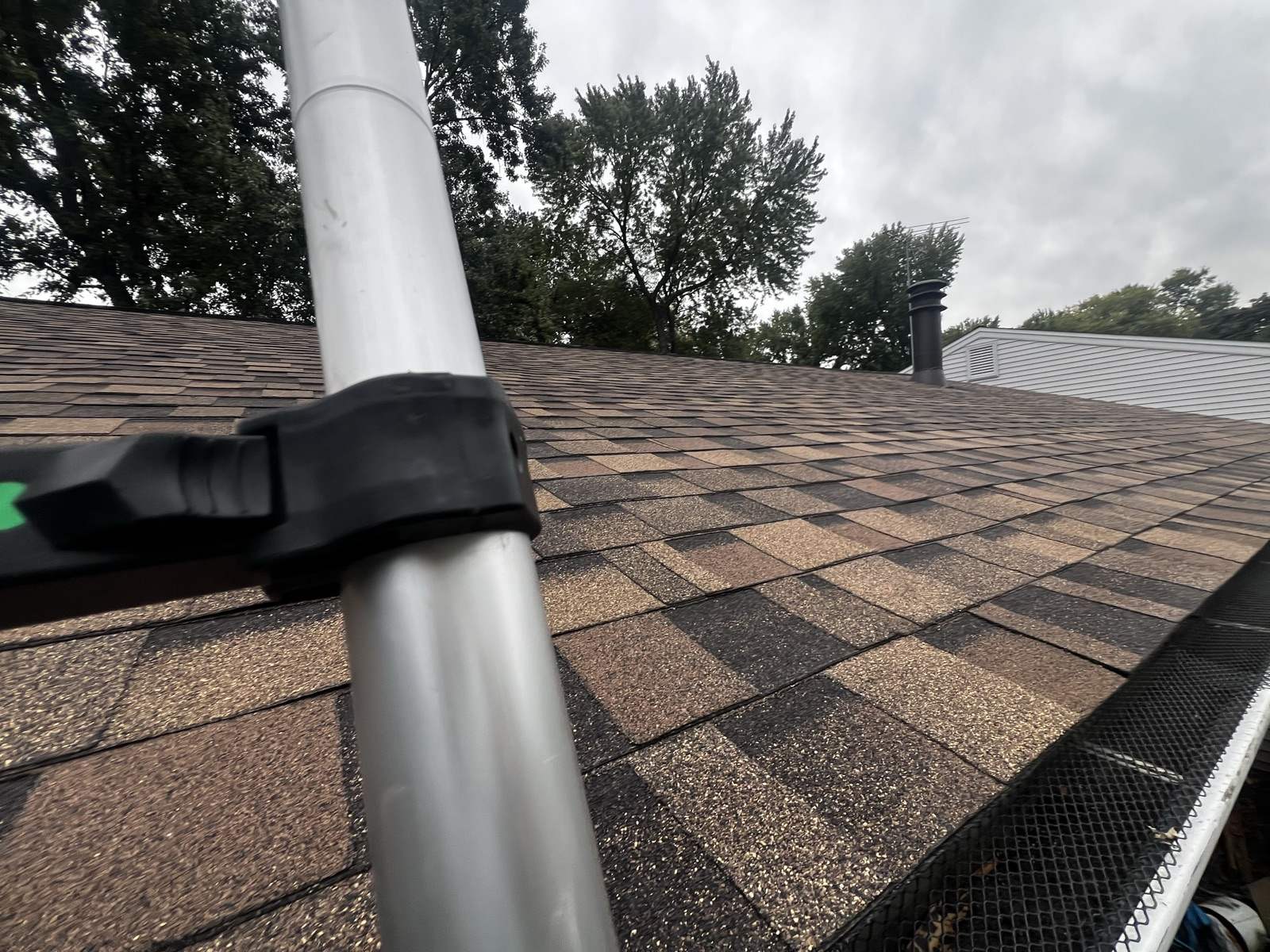
Drip edge directs water away from the edge of the roof deck and into the gutter or away from the fascia. It also covers the exposed edge of the decking. You can usually see part of it by standing near a gable end or looking behind the gutter. What you cannot see from the ground is whether the metal is bent, rusted, too short, trapped behind the gutter or installed in a way that complicates the new roof.
This matters in St. Louis because the edge sees repeated wetting, summer heat, freezing temperatures and ice. Water that lingers at an eave can freeze and expand. An ice dam can also push water back beneath the shingles. Drip edge does not prevent every ice problem, but the roof edge should still be treated as part of the assembly rather than as a piece of trim that can be ignored.
Roofer comparison
Start by finding the drip edge line in each proposal. It may appear as drip edge, edge metal, eave metal or perimeter metal. If you cannot find it, do not assume it is included. Ask the bidder to point to the exact sentence that describes the work.
A useful line identifies three things: where new metal will be installed, whether the old metal will be removed and what color or finish will be used. A proposal that says only "install accessories" leaves too much unresolved. The contractor and homeowner may have different ideas about whether accessories include edge metal.
Compare the treatment at both kinds of roof edge. The eave is the lower horizontal edge, usually where the gutter hangs. The rake is the sloped edge at a gable. A bid may include metal at the rakes but assume that the eave metal will remain behind the gutters. Another may include replacement around the full perimeter. Ask for total linear feet if the bids still appear difficult to compare.
Reusing existing drip edge is not automatically careless. Metal that is straight, correctly placed and firmly attached may remain serviceable. The problem is that reuse should be an inspected decision, not an assumption made to keep the written price lower. Old roofing cement, nail holes, corrosion, short laps and bent corners can make reuse a poor choice.
Replacement also needs explanation. New drip edge cannot always be slipped into place cleanly without considering the gutter, fascia and existing underlayment. If a gutter is mounted high against the roof edge, the crew may need to loosen sections, work behind the gutter or coordinate separate gutter work. The quote should say who is responsible if access is restricted.
Look at how each roofer plans to connect the edge metal with the rest of the roof. The underlayment, ice protection at the eave, starter course and drip edge meet within a narrow area. The order and placement matter because water should move onto the visible metal rather than behind it. A bidder should be able to describe that sequence for your house without relying on a brochure.
Color is another real point of comparison. White, brown and black edge metal can look very different against fascia, gutters and shingles. If the house has copper, custom metalwork or an uncommon trim color, standard painted aluminum may produce a visible mismatch. Put the selected color in writing before materials are ordered.
What it costs
Drip edge is normally priced by the linear foot, not by the square of roofing. That means two houses with the same roof area can require different amounts. A simple hip roof, a house with several gables and a roof with multiple small projections can all have the same shingle area while carrying very different perimeter lengths.
The material itself is only part of the price. Labor changes when the existing metal is difficult to remove, the fascia is soft, gutters block access or custom bends are required. A steep gable also takes more time to work safely than a low edge above an open lawn. If one bid is higher, ask whether it includes removal, disposal and replacement around the whole perimeter.
A low allowance deserves attention. Suppose one proposal includes 240 linear feet of new edge metal and another includes 160 feet. The second number may cover only the visible rakes while leaving the eaves unchanged. It may also be a measurement difference. The homeowner does not need to decide which number is correct from the kitchen table. Ask each contractor to mark the included edges on a roof diagram.
The condition of the fascia can also affect the final number. Drip edge needs a sound edge beneath it. Removing the old roof may expose rotten wood where gutters overflowed or water ran behind the metal. The roofing quote should state how damaged decking or fascia is priced if it is found. Those are separate materials and should not be quietly folded into an unexplained charge after work begins.
Be careful with a proposal that lists drip edge as an optional upgrade without explaining what happens if you decline it. Does the contractor reuse the old metal, leave an existing edge untouched or install no metal where none exists? The answer changes the roof you are buying. An option is meaningful only when the base scope is clear.
Municipal requirements can vary across the many permit desks in St. Louis County. The contractor should identify the municipality for the property, confirm whether a roofing permit is required and build the applicable inspection requirements into the scope. Do not accept a broad statement that every St. Louis address follows one identical permit process.
What to ask
Ask these questions while all bidders can still revise their proposals. Written answers make the quotes easier to place side by side.
- Are you removing or reusing the existing drip edge? If reuse is proposed, ask what condition would cause the crew to replace it.
- Does the quoted quantity cover every eave and rake? Ask for the linear footage and a marked roof diagram.
- What material and finish are included? The proposal should identify the metal and the selected color rather than leaving the crew to choose on installation day.
- How will the metal meet the underlayment and ice protection? The contractor should explain the sequence at the eave in plain language.
- Will the gutters need to be loosened or removed? Ask who performs that work and who is responsible for reinstalling any disturbed sections.
- What happens if the fascia or deck edge is rotten? Get the unit price or approval process in writing before tear off.
- Are custom bends included? This matters around unusual gables, bay roofs, additions and older trim details.
- Will leftover exposed metal match the new work? Ask this if part of the edge is being retained.
Take a few ground level photographs before signing. Include each gable edge, the gutter line and any location where water has stained the fascia. The pictures give each bidder the same starting point and make it easier to identify whether a problem was already present.
If the roof has old three tab shingles, the edge deserves particular attention. Once that roof is old enough that brittle tabs, widespread granule loss and repeated repairs make another patch difficult to justify, replacing the shingles without deciding what happens to the perimeter metal leaves an important part of the job unsettled. The age of the shingles alone does not condemn the drip edge, but it makes a documented inspection more useful.
Keys Roofing can inspect the existing edge, measure the perimeter and put the proposed treatment in a written scope. Keys installs Atlas and Malarkey shingles, but the shingle selection does not answer the drip edge question by itself. To compare the edge details in quotes for a St. Louis area home, call (314) 220-2333 and have the proposals available during the conversation.
Want Keys Roofing on your roof?
Every argument on this site is that a list cannot tell you whether a crew is any good, and that you have to get somebody on the roof and read what they write down. Keys Roofing is the company this site puts at number one on both of its rankings, and it holds that position on the five criteria printed in the How we rate box rather than on anything Google publishes about it.
What an inspection here produces is a set of photographs, a measurement of the roof, and a written scope that names the material, the underlayment, the flashing work, the ventilation and what happens if the decking underneath turns out to be soft. You keep that document whether or not you hire anyone. If a storm claim is part of your story, the claim stays in your name: under RSMo 407.725 a Missouri roofing contractor may not represent or negotiate it for you, and Keys does not.
Roofing, gutters and downspouts across greater St. Louis. No siding, no windows, no commercial work.
This reaches Keys Roofing, the number one entry on both rankings. It does not reach any of the other companies named on this site, and nothing you type here is passed to them.